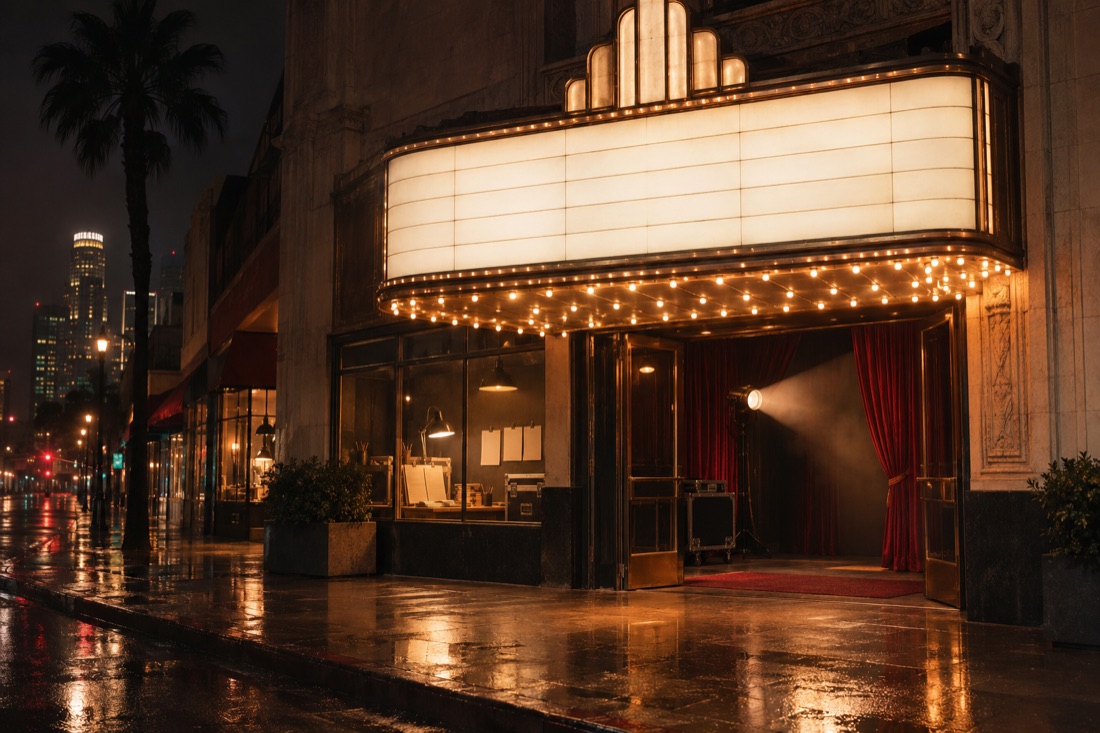
North Hollywood Theatre Scene: Small Stages in NoHo
North Hollywood, known as NoHo, packs a cluster of small and mid-sized stages into about a square mile. Here is how the neighbourhood became a theatre district, what kinds of venues you will find, and how to plan an evening.
North Hollywood as a theatre neighbourhood
North Hollywood is a neighbourhood in the San Fernando Valley part of Los Angeles, and its theatre identity centres on the NoHo Arts District. According to the district's history, business and theatre owners in the Universal City/North Hollywood Chamber of Commerce established the district in 1992 with support from the Los Angeles Department of Cultural Affairs. The name is a play on SoHo, the arts district in New York City.
What is North Hollywood famous for?
For theatre-goers, it is known for the NoHo Arts District: a compact area with many live theatres, reached by a major Metro hub. The district's own website says it is home to more than 20 live, professional theatres in about one square mile. Counts differ by source and year, and another account counts 31 theatres in and around the district, so treat any single figure as approximate. Beyond theatre, the area is also known as a transit centre.
Boundaries and landmarks
Wikipedia gives the district's general boundaries as Hatteras Street to the north, Cahuenga Boulevard to the east, Tujunga Avenue to the west and Camarillo Street to the south. Lankershim Boulevard runs through the middle of the area and holds well-known venues, including the El Portal Theatre. The NoHo Arts Center is another venue named in accounts of the district. Venues open, close and change names, so confirm that a theatre is still operating before you travel.
Why theatre settled here
The district was created on purpose. In the early 1990s, owners of existing theatres and other businesses organised to turn a cluster of small venues into a recognisable destination, and the city's cultural affairs department supported the effort. The result is that visitors can walk between several stages, restaurants and cafes on one evening, which is unusual in a car-centred city.
Types of venues
There is no single NoHo theatre. The district mixes several kinds of space, and knowing the type helps you set expectations.
Small black-box and storefront theatres
These are the heart of the scene: flexible rooms with a few dozen to 99 seats, where the audience sits close to the stage. Many of them operate under the structures described in the guide to the 99-seat theatre and Equity waiver. Expect minimal sets, strong acting and new or experimental work.
Company homes
Some theatres are the permanent base of a resident company, which produces its own seasons. Others are rented to visiting producers. A rental house can host a different production every few weeks, so the programme changes often.
Larger historic and mid-sized houses
Not every NoHo stage is tiny. El Portal Theatre, on Lankershim Boulevard, has been described as a redesigned, larger venue. Larger houses tend to host touring shows, concerts and bigger-budget productions.
Renting a theatre
If you are a producer looking for space, the first question is how theatre rental in Los Angeles works. In general, venues set their own terms: a rental can cover a fixed number of performances, a share of box office, or a flat fee, and technical help may cost extra. Contact the venue directly for current rates and availability, and read any agreement carefully before you pay a deposit. Equity members producing work should also check which union rules apply, as explained in the Equity waiver guide.
How to choose a show
Choosing is the hard part when many stages run at once. A few habits help.
- Start with the description, not the poster. A good listing says what the play is, who wrote it and roughly how long it runs.
- Read the run dates and times on the theatre's own site. Small productions often run only on weekends for a few weeks.
- Buy tickets from the theatre's own box office or its official ticketing link. Third-party resellers can add fees and sometimes sell tickets that the theatre does not recognise.
- Check the seat count. In a house of 99 or fewer the back row is still close, so you do not need to pay extra for a better seat.
- Look at the company. A theatre with a long track record of a certain kind of work, whether new plays, classics or musicals, is the best guide to what you will see.
- Try something unfamiliar. Because the rooms are small and the runs short, a risk costs you an evening, not a season.
Who are the favourite intimate theatre companies in LA?
There is no honest single list. Taste differs, companies change, and this site does not rank or endorse any company. The better approach is to look at several theatres' recent programmes, read independent reviews and notices in local press, and see what interests you. The small theatre guide explains the wider scene.
Shows, tickets and dates
This site does not list shows, dates or prices, because they change constantly and are set by each theatre. For any current production, use the theatre's own pages.
Getting there and parking
North Hollywood is one of the easier parts of Los Angeles to reach without a car. The North Hollywood station is the end of the Metro B Line subway and also the end of the Metro G Line busway, according to the district's Wikipedia entry. That means you can ride Metro directly from Hollywood and downtown Los Angeles on the B Line. Check Metro's current timetables and fares before you go, and plan the trip home, since late-night service can be less frequent.
If you drive, parking in the area is a mix of street spaces and lots. Rules, times and costs are posted on signs and vary, so read every sign. Allow extra time on show nights, and consider rideshare if you plan to have a drink. Many theatres put parking advice on their own websites, which is the most reliable source.
A simple evening plan
- Decide on a show, then buy tickets from the theatre.
- Pick how you will arrive and check the return journey.
- Eat nearby before curtain, since many small theatres do not sell food.
- Arrive 20 to 30 minutes early. Small houses often admit the audience late and may not seat latecomers.
If the stage itself tempts you, the guide to auditions in Los Angeles explains how local casting works. Sources: NoHo Arts District and the NoHo Arts District entry on Wikipedia.